What Is Ketamine for Horses?
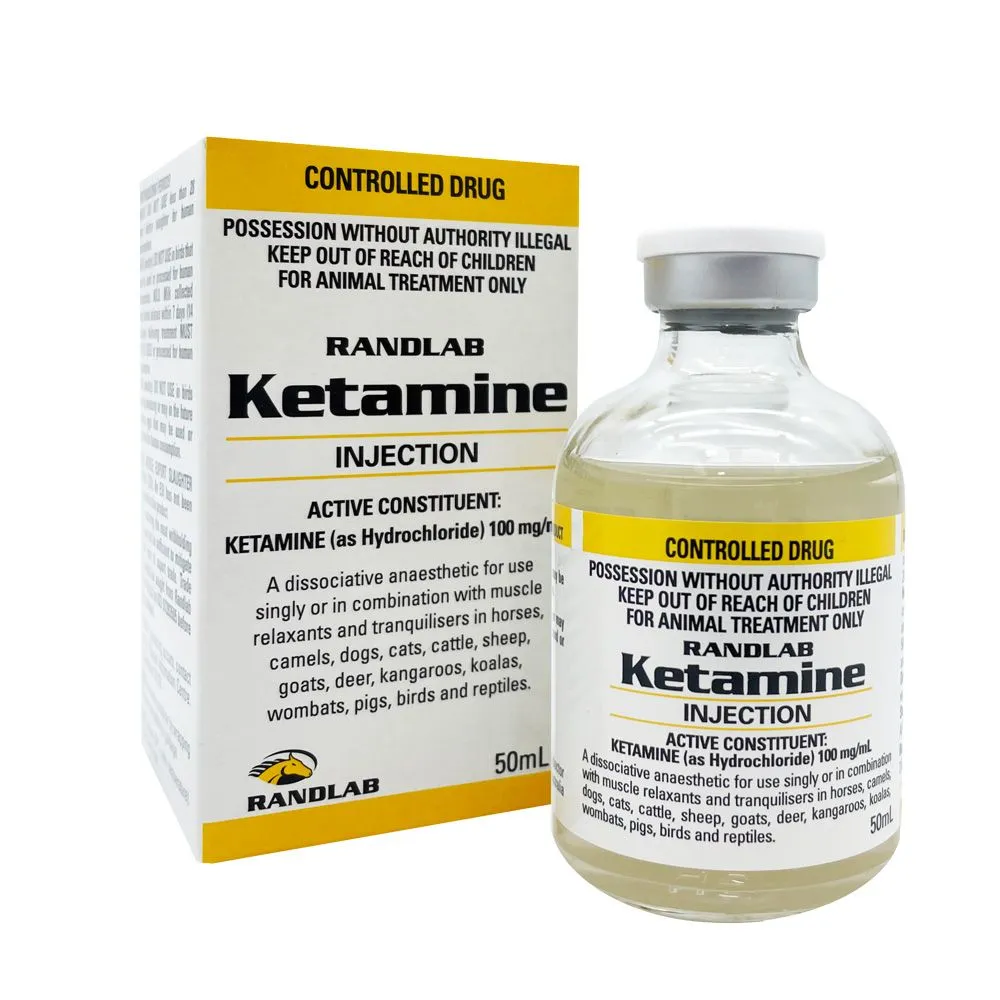
Ketamine for horses is a short-acting, dissociative anesthetic that produces sedation, pain relief, and muscle relaxation. In equine veterinary care, it’s typically used in combination with other sedatives—like xylazine or diazepam—to induce anesthesia safely and smoothly.
Veterinarians value ketamine for its rapid onset and short recovery time, making it ideal for both field procedures and hospital settings.
Common product names:
-
Ketamine Hydrochloride Injection, USP
-
Ketaset® (by Zoetis)
-
Vetamine®
Key Benefits of Ketamine Injection for Horses
-
Fast-acting anesthetic: Induces anesthesia within 60 seconds when administered intravenously.
-
Smooth induction and recovery: Reduces stress and struggle during procedures.
-
Effective pain management: Offers strong analgesic effects during and after short surgeries.
-
Versatile use: Suitable for minor surgical procedures, diagnostic imaging, and wound treatments.
-
Safe when used by veterinarians: Well-studied for equine anesthesia with predictable outcomes.
What Is Ketamine Used For In Horses
Veterinarians use ketamine for:
-
Induction of general anesthesia (before gas anesthesia)
-
Short surgical procedures (such as castration or wound repair)
-
Standing sedation (in combination with xylazine or detomidine)
-
Emergency anesthesia when quick restraint is required
-
Pain control during invasive diagnostic procedures
Because of its potency, ketamine should only be used by licensed veterinarians or under strict veterinary supervision.
Ketamine Equine Dosage for Horses
The typical ketamine for horses dosage depends on the size, age, and purpose of anesthesia.
-
IV (intravenous): 2.2 mg per kg of body weight (1 mg per lb)
-
IM (intramuscular): 6.6 to 11 mg per kg, depending on sedation needs
Veterinarians often combine ketamine with:
-
Xylazine (for sedation and muscle relaxation)
-
Diazepam or Midazolam (for smoother induction)
-
Detomidine or Romifidine (for longer sedation)
How Ketamine For Horses Works
Ketamine for horses blocks NMDA receptors in the brain, disconnecting the horse from sensory perception while maintaining vital reflexes. This means the horse appears awake (eyes open, muscles stiff) but is completely unaware of its surroundings.
This “dissociative” effect provides deep anesthesia and pain control without depressing the cardiovascular system, making ketamine a safe choice for equine anesthesia.
Safety and Side Effects Of Ketamine Injection
When used correctly, ketamine is safe for horses. However, side effects may occur if dosed incorrectly or used without proper sedation.
Possible side effects include:
-
Muscle rigidity or twitching
-
Increased heart rate or blood pressure
-
Rough recovery if not combined with sedatives
-
Temporary loss of coordination
-
Excessive salivation
To ensure safety:
-
Only administer ketamine under veterinary supervision
-
Combine with a sedative to reduce excitement
-
Allow proper recovery time in a calm, quiet environment
Storage and Handling of Ketamine For Horses Injection
-
Store ketamine at controlled room temperature (20°C–25°C / 68°F–77°F)
-
Protect from light and freezing
-
Keep out of reach of children and unauthorized users
-
Dispose of unused product according to local regulations
Because ketamine is a controlled substance (Schedule III) in many countries, it must be stored securely and used only by licensed professionals.
How Ketamine Tranquilizes a Horse
Ketamine works by blocking NMDA receptors in the brain, which interrupts the signals responsible for pain perception and sensory awareness. This causes a “dissociative state,” where the horse may appear awake but is unaware and unresponsive to external stimuli.
In short:
-
The horse doesn’t feel pain,
-
Muscle control is reduced,
-
And stress levels decrease, making procedures safer for both horse and handler.
Ketamine injection for horses is a vital tool in modern equine medicine—providing fast, effective, and safe anesthesia for a wide range of veterinary procedures. When administered correctly, it ensures your horse experiences minimal stress, pain, and risk during treatment
Related products