
Uncategorized
Managing Equine Arthritis: Keeping Your Horse Comfortable and Active
Sep
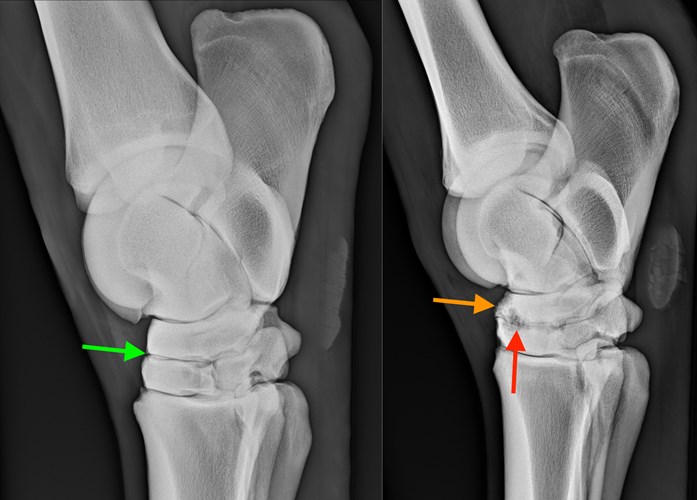
Equine Arthritis is one of the most common conditions affecting older horses, but it can also develop in younger horses due to injury, conformation issues, or heavy workloads. As a horse owner, it’s important to recognize the signs early and create a management plan that supports joint health, reduces pain, and helps your horse stay active for as long as possible.
What Is Equine Arthritis?
Equine arthritis, often referred to as degenerative joint disease (DJD), occurs when the smooth cartilage that cushions a horse’s joints wears down. This leads to inflammation, stiffness, and pain. Unlike some conditions, arthritis can’t be cured—but with the right care, it can be managed effectively.
Signs Your Horse May Have Arthritis
Pay attention to subtle changes in your horse’s behavior and movement. Common signs include:
- Stiffness when coming out of the stall
- Shortened stride or uneven gait
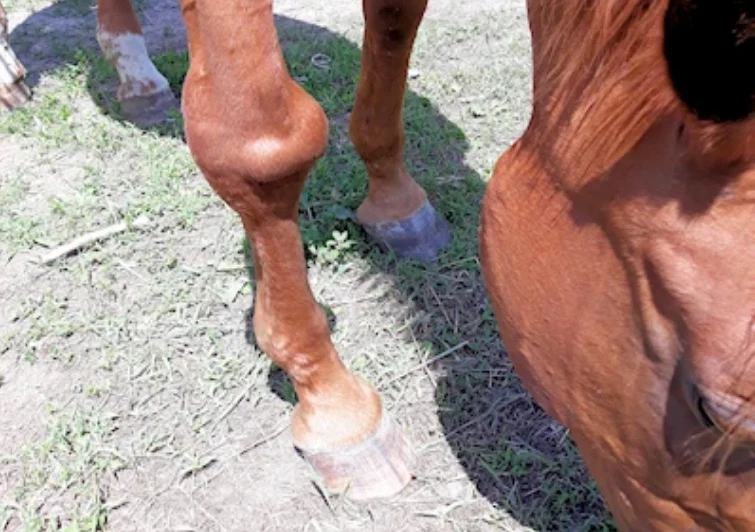
- Swelling or heat in joints
- Reluctance to work, jump, or collect under saddle
- Difficulty picking up leads or performing lateral movements
Early detection is key—addressing arthritis in its early stages makes management much more successful.
Veterinary Diagnosis
A veterinarian will confirm Equine Arthritis through:
- Physical exams to check range of motion and pain response
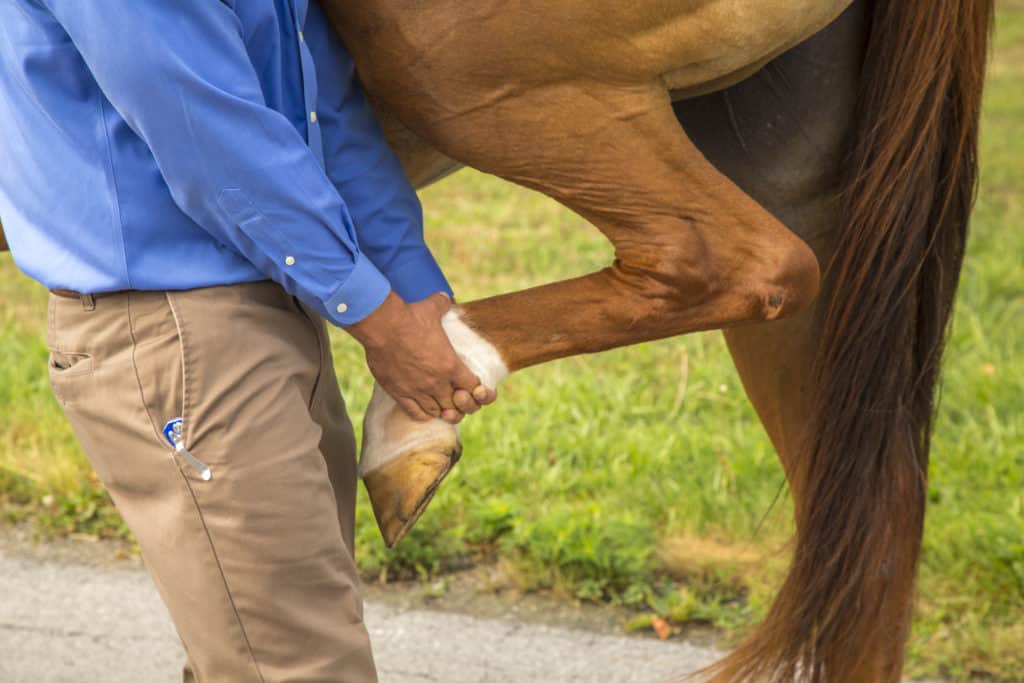
- Flexion tests to stress specific joints
- X-rays or ultrasounds to evaluate joint changes
- Nerve blocks to rule out other causes of lameness
Once diagnosed, your vet will recommend a treatment and management plan tailored to your horse.
Treatment and Management Options
Arthritis requires a multi-faceted approach. Here are the most effective strategies:
1. Medications and Injections
- NSAIDs (e.g., phenylbutazone, firocoxib): Reduce inflammation and pain.
- Joint injections (corticosteroids, hyaluronic acid): Provide targeted relief in specific joints.
- Oral and injectable joint supplements: Ingredients like glucosamine, chondroitin sulfate, and omega-3s support cartilage health.
2. Proper Exercise and Conditioning
Complete stall rest is rarely beneficial for arthritis. Controlled movement helps lubricate joints.
- Turnout in a safe pasture encourages natural activity.
- Light, regular exercise maintains flexibility and muscle support.
- Warm-up and cool-down routines should be extended.
3. Hoof and Farrier Care
Balance is everything. A farrier can adjust shoeing or trimming to reduce stress on affected joints. In some cases, supportive shoes or pads help absorb shock and improve comfort.
4. Lifestyle Adjustments
- Soft footing: Avoid working on hard or uneven surfaces.
- Blanketing in cold weather: Helps prevent stiffness.
- Weight management: Extra pounds add unnecessary strain to joints.
5. Alternative Therapies
Many horse owners have success with:
- Acupuncture
- Chiropractic adjustments
- Cold therapy (ice boots, cold hosing after work)
- Therapeutic massage or laser therapy
Always consult your vet before adding complementary therapies.
Long-Term Outlook
While Equine Arthritis cannot be reversed, many horses continue working comfortably with the right care. Some can even stay in light competition or regular riding well into their senior years. The key is consistent management, early intervention, and adapting to your horse’s changing needs.
Final Thoughts
Equine Arthritis doesn’t have to mean the end of your horse’s riding career. With attentive care, proper veterinary support, and thoughtful management, you can keep your horse active, happy, and pain-free for many years.